Lancaster highlight
High desert climate
Lancaster sits in the Mojave Desert with annual rainfall under 7 inches, summer temperatures regularly exceeding 100°F, and abundant clear skies.
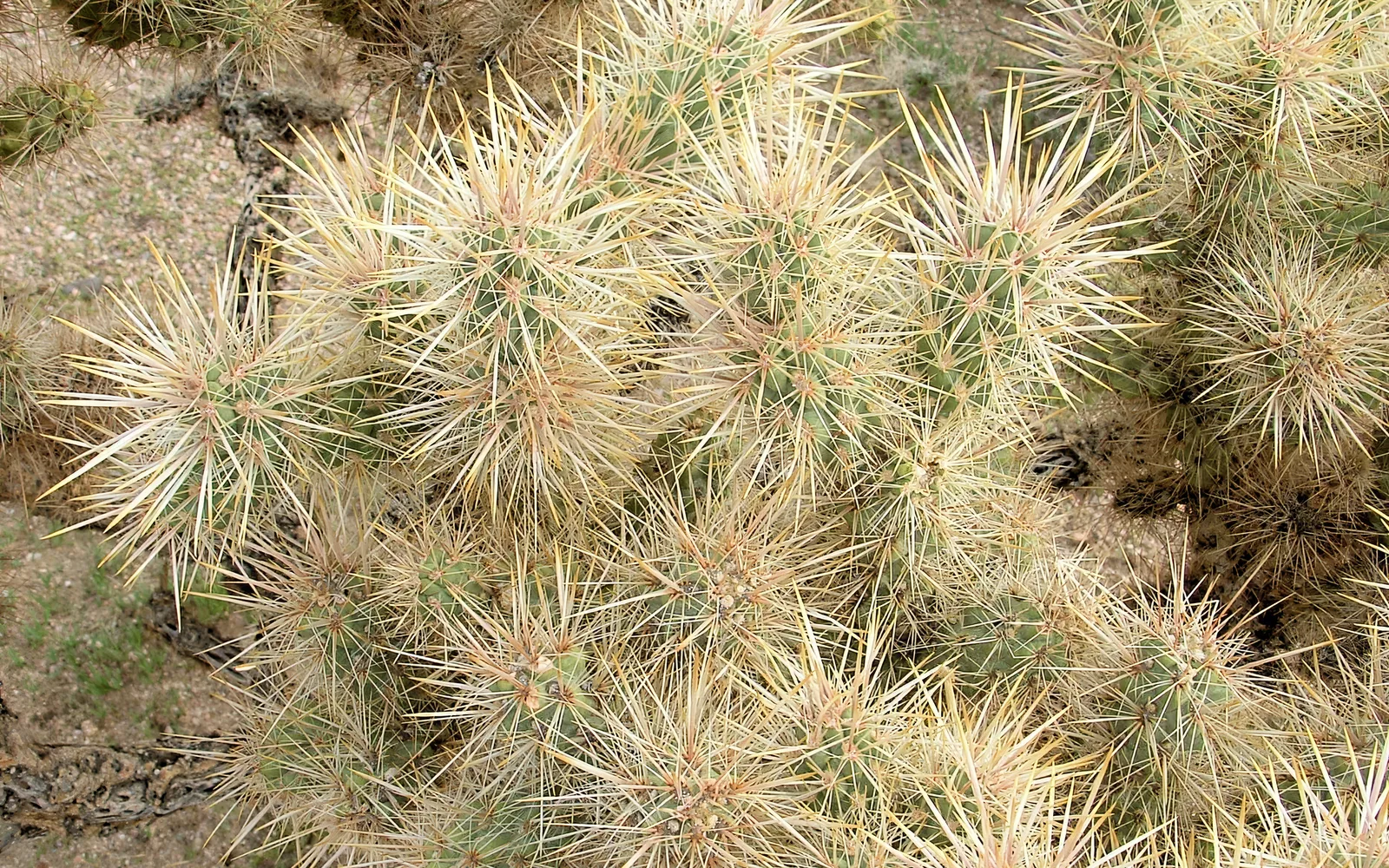
Lancaster's climate is defined by the Mojave Desert: semi-arid to arid, with winters that are cool to mild and summers that are hot and nearly rainless. Annual precipitation averages just 6.81 inches. Summers bring roughly 35 or more afternoons above 100°F, with the record high of 115°F set in June 2013. Winters see freezing temperatures on an average of 68 mornings each year, and the city averages about 2 inches of snow annually. The extremes are stark: from a record high of 115°F to a record low of 2°F in December 1984. Yet the region enjoys an abundance of clear days year-round, even in winter months.
This desert environment has shaped Lancaster's development. The vast open spaces and dry climate made the region ideal for aerospace testing and flight operations. The same conditions have supported the city's emergence as a clean-energy leader—Lancaster now generates the highest solar production per capita in California and is pursuing Net-Zero municipality status. The landscape is distinctive and demands respect: families who live in the high desert understand that long-term planning is shaped by the environment they inhabit.
For Lancaster households, the high desert climate influences how families plan for the future. The region's appeal brings new residents and retains those who value its character. A 20-year or 30-year term policy is the right tool for a family building a life in an environment that combines opportunity, striking natural features, and genuine risks. It protects the years when a household is most vulnerable to the loss of income—the mortgage years, the years children are home, the years a career is at its peak.